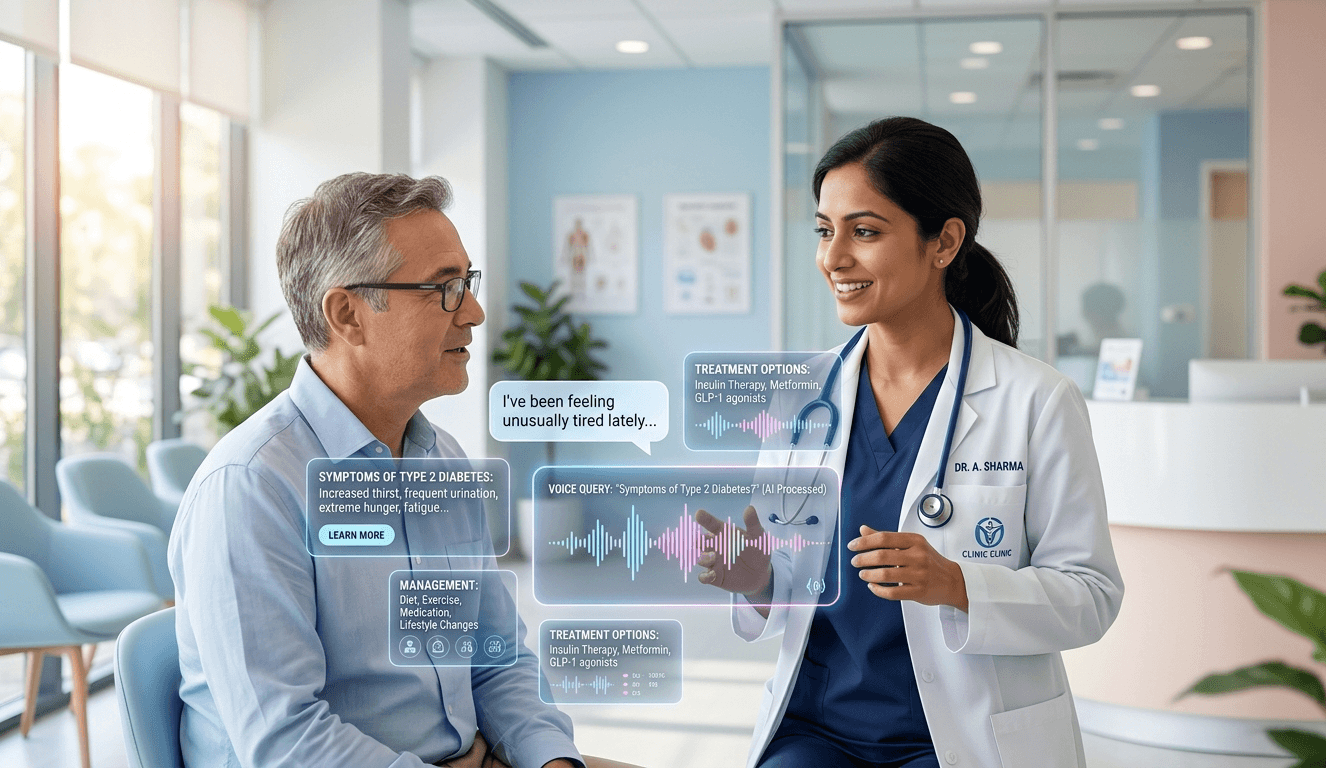

“Boost revenue and patient satisfaction by improving medical practice efficiency through automated scheduling, digital intake, and innovative CRM tools.”
Running a medical practice today is challenging work. You didn’t go to medical school to manage spreadsheets, chase down insurance claims, or play endless rounds of phone tag with patients trying to reschedule appointments. Yet, this administrative burden is the reality for countless healthcare providers. You want to focus on patient care, but the business side of the practice demands your constant attention.
The traditional methods of managing a clinic are failing. Paper charts get lost. Phone lines get jammed. Staff members burn out from repetitive tasks that add little value to the patient experience. If your front desk staff spends more time typing data from a clipboard into a computer than they do making eye contact with walking-in patients, you have an efficiency problem.
This isn’t just an operational headache; it’s a financial drain. Every minute wasted on manual tasks is a minute not spent on billable patient care. Every missed appointment is revenue gone forever.
The solution isn’t to hire more staff or work longer hours. The solution lies in rethinking how your practice operates by embracing innovative technology. By improving medical practice efficiency through digital tools, you can reclaim your time, reduce staff stress, and significantly improve your bottom line.
This article will take a detailed look at how integrating specific digital systems—from automated scheduling to advanced CRMs— transforms a chaotic office into a streamlined, profitable business that puts patients first.

The High Cost of the Status Quo
Before we dive into the solutions, let’s look clearly at the problem. Many practices cling to outdated workflows because “that’s how we’ve always done it.” This mindset is expensive.
Consider the physical environment of many clinics. Is there a wall of paper charts? Are patient intake forms attached to clipboards, waiting for someone to manually transcribe the illegible handwriting into the Electronic Medical Record (EMR)?
Think about your phone lines. How many calls does your practice receive daily asking simple questions like, “Are you open?” or “Can I book an appointment next Tuesday?” How many calls go to voicemail?
Then there is the silent revenue killer: no-shows. When a patient fails to show up, you still incur overhead costs. You still have to pay the staff. But you bring in zero revenue for that slot. Furthermore, another patient who needed care couldn’t get in.
These inefficiencies create a drag on medical office productivity. Your highly trained staff ends up performing low-skill data entry tasks. This leads to frustration, high turnover, and ultimately, a poorer experience for the patients who do show up. Patients sense disorganization. They hate waiting on hold. They despise having to fill out the same paper forms every visit.
If you want to fix the bottom line, you must first fix the workflow.
The Digital Front Door: Online Appointment Scheduling and Intake
The patient journey begins long before they step into your waiting room. It often starts on their smartphone at 10:00 PM, after they’ve put their kids to bed and finally remember they need to see a doctor.
If your practice only allows appointment booking via phone between 9:00 AM and 5:00 PM, you are losing business. Modern consumers expect convenience in every aspect of their lives. They book flights, order food, and manage their finances online at any hour. Healthcare seems archaic by comparison, forcing them to make a phone call during business hours.
Online Appointment Scheduling: Your 24/7 Receptionist
Implementing accurate online appointment scheduling is a game-changer for improving medical practice efficiency. This isn’t just a “request an appointment” form on your website that triggers an email to your front desk. That’s just another manual task disguised as technology.
Accurate online scheduling integrates directly with your practice management software. It shows real-time availability. Patients select a slot that works for them, enter their basic details, and the appointment is added directly to your schedule.
The benefits are immediate. Your front desk receives fewer routine calls. Patients feel empowered because they can manage their own schedule. You capture appointments that would otherwise go to a competitor who offers online booking. You literally make money while you sleep.
Ditching the Clipboard: Digital Patient Intake
Once the appointment is booked, the next bottleneck is intake. The paper clipboard symbolizes inefficiency.
The patient hastily scribbles their history, insurance information, and medications in the waiting room. Then, a staff member must decipher that handwriting and type it into the EMR. This double-entry process is slow and error-prone. A typo in an insurance ID number can lead to claim denials and weeks of back-and-forth to get paid.
Digital patient intake systems solve this. When a patient books an appointment, they receive a secure link via text or email to fill out their forms ahead of time on their phone or computer.
The data they enter flows directly into the EMR fields. Your staff simply reviews and accepts the information. The patient spends less time in the waiting room. Your staff spends zero time doing data entry. Clinical data is more accurate because patients have time to look up their medication dosages at home rather than guessing in the lobby.
Crushing the No-Show Problem with Healthcare Automation Tools
We touched on the cost of no-shows earlier, but let’s look at the solution. Reducing patient no-shows is the single fastest way to increase practice revenue without adding new patients.
If your practice relies on staff members making manual reminder calls day after day, you are wasting valuable human resources. Most people don’t answer unknown numbers. They let it go to voicemail, and they may or may not listen to the message in time.
Healthcare automation tools, specifically automated reminder systems, are vastly superior.
The Power of SMS Texts
People read text messages almost instantly. An automated system sends a text reminder at set intervals—perhaps 48 hours and again 2 hours before the appointment. These texts should allow the patient to confirm or cancel with a simple reply.
When a patient confirms, your schedule updates automatically. Your staff knows they are coming.
If they cancel via text, the magic happens. The system immediately frees up that slot. You can then use an automated waitlist feature to text other patients who wanted an earlier appointment. “A slot just opened up for tomorrow at 3 PM. Want it?” The first person to reply “YES” gets the spot.
This entire process happens without a single phone call from your staff. You keep your schedule full, reduce gaps, and significantly lower the no-show rate. The financial impact of recovering just two or three lost appointments per week pays for these systems many times over.
Expanding Your Reach with Telemedicine Integration
For years, telemedicine was seen as a niche service. Now, it is an essential component of a modern practice. Patients love the convenience of not having to drive, park, and wait for a simple consultation.
However, many practices implemented telehealth hastily, using standalone video platforms that don’t integrate with their EMR. This creates a disjointed workflow in which staff must manually copy links, manage separate schedules, and determine how to bill for these visits.
Successful telemedicine integration means the virtual visits are managed seamlessly within your existing practice management software.
The appointment is booked the same way. The reminder contains the secure video link. The provider launches the visit directly from the patient’s chart. Documentation occurs in real time during the call. Billing codes are generated automatically at the end of the visit.
Telemedicine isn’t just about convenience; it’s about efficiency and revenue. It allows providers to handle follow-ups, medication refills, and quickly review lab results. These shorter, billable encounters can be slotted in between in-person visits, maximizing provider utilization. It also expands your geographical reach, allowing you to serve patients who live too far away for regular in-person visits.
The Nerve Center: Healthcare CRM and EMR Marketing Integration
Most practices have an Electronic Medical Record (EMR) system. They think this is enough. It is not.
An EMR is designed for clinical documentation and billing. It is a repository of health history. It is terrible at managing relationships. It doesn’t know a patient’s birthdays. It doesn’t track how a new patient found your practice. It doesn’t automatically nurture leads who inquired about a service but never booked.
To truly optimize your practice revenue cycle and growth, you need a Healthcare CRM (Customer Relationship Management) system that integrates with your EMR.
Moving Beyond Clinical Data
A Healthcare CRM is the brain of your patient engagement strategy. It tracks every interaction a prospective or current patient has with your practice outside of the exam room.
For example, if someone fills out a form on your website asking about a specific procedure but doesn’t book an appointment, the CRM captures that lead. It can then trigger an automated email sequence that provides more information about that procedure and invites them to schedule a consultation.
Reactivating Dormant Patients
Your most significant source of potential revenue is your existing patient base. How many patients are overdue for a screening, a follow-up, or an annual check-up?
Without a CRM, identifying these patients is a manual, laborious data-mining project that rarely gets done. With EMR marketing integration, the CRM can query your database. It can find every patient who hasn’t been seen in 18 months and send them a personalized “We miss you, it’s time for your check-up” email or text with a link to book online.
This is automated reactivation. It drives appointments onto your schedule with zero ongoing effort from your staff.
Tracking True ROI
Finally, integrating marketing data with EMR data allows you to see what’s actually working. You might spend money on Google Ads, social media, or local mailers. But do those efforts lead to actual revenue?
A CRM tracks where a new patient came from. When that patient eventually books an appointment and pays their bill in the EMR, the system connects those dots. You can clearly see that spending $500 on a specific ad campaign generated $5,000 in booked revenue. This insight allows you to stop spending money on marketing that doesn’t work and double down on what does.
The Human Element: Where Technology Meets Patient Satisfaction
It is easy to get lost in talk of automation, efficiency, and revenue. You might worry that bringing in all this technology will make your practice feel robotic or impersonal.
The opposite is true.
When you use technology to handle the robotic tasks—scheduling, data entry, reminders, confirming insurance—you free up your humans to be human.
Think about your front desk staff again. If they aren’t stressed about a ringing phone or a stack of clipboards, what can they do? They can greet patients with a genuine smile. They can notice if a patient looks anxious and offer a comforting word. They can handle complex patient questions that actually require empathy and critical thinking.
Patients do not feel “cared for” when you force them to recite their address over the phone for the fifth time. They feel cared for when the administrative process is invisible, frictionless, and easy to use.
When the digital systems work well, the patient experience is smooth. They book easily, receive reminders, complete forms at home, and arrive on time. This seamless experience directly improves patient satisfaction scores. Happy patients write good reviews. Good reviews attract new patients.
Improving medical practice efficiency isn’t just about cutting costs. It’s about creating a better environment for your staff and a superior patient experience. It reduces burnout among providers by allowing them to focus on medicine rather than paperwork. A happy staff leads to happy patients, and that is the foundation of a healthy bottom line.
Conclusion
The healthcare industry is reeling from staffing shortages, declining reimbursements, and rising costs. Continuing to operate with manual, paper-heavy, phone-based systems is a recipe for stagnation, or worse.
Embracing digital transformation is no longer optional; it is essential for survival and growth. By implementing tools like online scheduling, digital intake, automated text reminders, integrated telemedicine, and robust healthcare CRM systems, you can fundamentally change the trajectory of your practice.
You can reduce the administrative burden that crushes your staff. You can drastically lower no-show rates. You can reactivate lost patients and attract new ones. You can ensure that every process within your office is geared toward efficiency and the patient experience.
However, understanding what needs to be done is different from knowing how to do it. Selecting the right software, integrating disparate platforms to enable secure communication, and training your staff on new workflows are complex challenges. A poorly implemented system can sometimes be worse than no system at all.
This is where expert guidance becomes invaluable. InvigoMedia specializes in helping medical practices navigate this digital terrain. They are experts in medical marketing automation and website integration. InvigoMedia doesn’t just sell software; they implement complete systems tailored to your specific workflows. They understand how to connect the dots between your website, marketing efforts, scheduling, and EMR to drive measurable financial growth and streamline operations. If you are ready to modernize your practice and improve your bottom line, partnering with specialists like InvigoMedia is the first step toward a more efficient future.
Frequently Asked Questions (FAQs)
Q: Will implementing these digital systems be too difficult for my older staff or patients to use?
A: This is a common concern, but modern systems are designed with user-friendliness as a top priority. For staff, the goal of these tools is to make their jobs easier, not harder. Training is usually straightforward because the tasks are intuitive. For patients, while some older demographics may prefer phone calls, statistics show that the vast majority of patients across all age groups appreciate the convenience of texts and online options. You can always maintain traditional channels for the few who prefer them, while moving the bulk of your traffic to automated systems.
Q: Isn’t setting up all this software incredibly expensive?
A: You have to look at the cost relative to the return on investment (ROI). Think about the cost of not having these systems: the salary cost of staff doing manual entry, the lost revenue from high no-show rates, and the missed opportunities from not offering online booking. In almost every case, a well-integrated digital system pays for itself very quickly by recapturing lost revenue and improving staff productivity.
Q: Is patient data secure with these cloud-based digital tools?
A: Security is paramount in healthcare. Reputable providers of medical practice management software, digital intake forms, and healthcare CRMs are fully HIPAA-compliant. They use bank-level encryption to protect patient data. In many ways, digital records stored in secure cloud environments are far safer than paper charts sitting accessible in an office file room.
Q: We already have an EMR. Why do we need a CRM too?
A: Your EMR is a clinical record. It is excellent for storing medical history, SOAP notes, and billing codes. However, it is generally poor at managing the “customer relationship” side of the business. A Healthcare CRM is designed to track leads, manage marketing campaigns, automate follow-up emails for non-clinical issues, and track the ROI of your marketing spend. The CRM handles patient acquisition and retention, while the EMR handles patient care. You need both working together for maximum efficiency.
Q: How long does it take to see results after implementing these systems?
A: Some results are almost immediate. For instance, turning on automated text reminders can reduce no-shows within the first week. Online scheduling can start capturing new appointments the day it goes live on your website. Other benefits, such as improved patient reactivation through CRM campaigns or noticeable improvements in staff morale, may take a few months to realize fully. However, the trend toward improved efficiency usually begins right away.