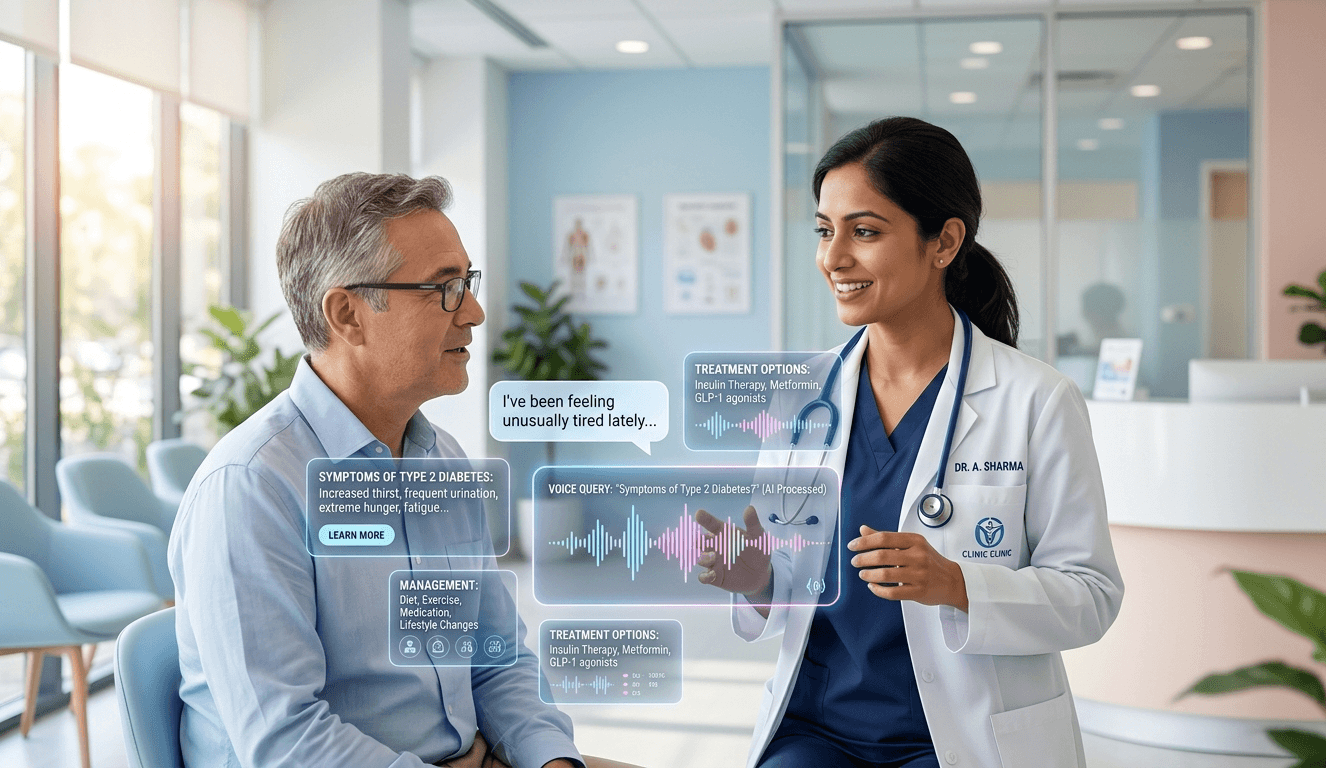

“Drive growth and secure high-value partnerships with strategic Marketing for Occupational Health Services and corporate wellness ROI programs.”
The landscape of healthcare marketing is shifting. For years, providers focused almost exclusively on the individual patient. But today, the most lucrative and stable growth often comes from corporate partnerships. If you offer occupational medicine or employee wellness programs, you’re no longer just a doctor. You are a B2B service provider.
Selling health to a business is fundamentally different from selling it to a person. When a patient walks into your clinic, they want to feel better. When an HR manager or a CEO looks at your services, they want to see a return on investment (ROI). They want fewer sick days, lower insurance premiums, and higher productivity.
This guide will break down the exact framework you need for marketing occupational health services and corporate wellness programs in a competitive B2B environment.
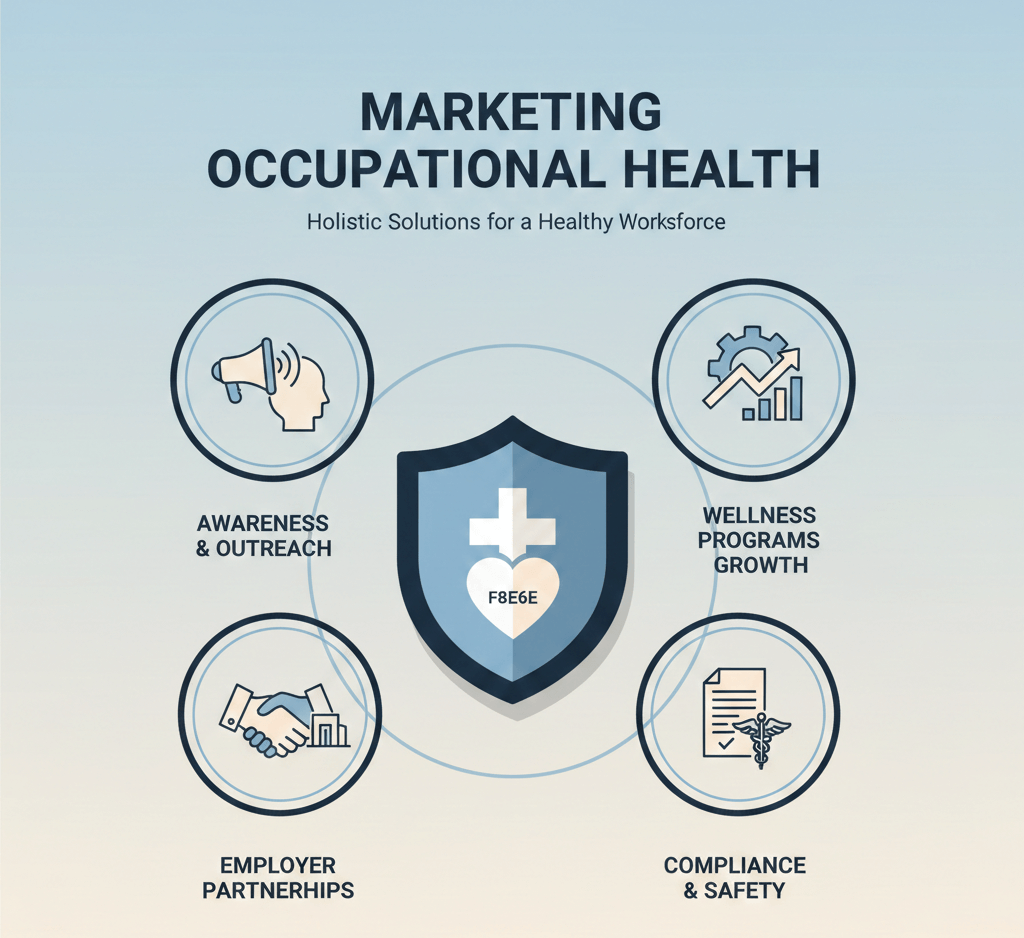
The Shift from B2C to B2B Healthcare Marketing
Most medical marketing agencies treat every client the same. They run Facebook ads for “back pain” or “annual physicals.” While that works for general practice, it fails miserably for corporate health.
In B2B healthcare marketing, your “patient” is the company. Your decision-maker is usually an HR Director, a Benefits Manager, or a Chief Operations Officer. These individuals don’t care about the aesthetic of your waiting room. They care about data, compliance, and cost-containment.
To succeed, you must stop thinking like a clinician and start thinking like a strategic partner.
1. Optimize Your Digital Front Door: Medical SEO for B2B
Your website is your strongest salesperson. However, if your SEO strategy only targets local patients, you are missing the big fish. Marketing occupational health services requires a specific keyword strategy.
Keyword Research for the Corporate Mindset
Standard medical SEO targets terms like “doctor near me.” B2B SEO targets terms that solve business problems. You need to rank for:
- Pre-employment physicals [City Name]
- Workers’ comp physician services
- On-site flu shot clinics for employees
- Corporate wellness ROI programs
- DOT physicals for fleet management
Create Dedicated Landing Pages
Do not bury your corporate services in a dropdown menu. Create high-conversion landing pages for each service. A page dedicated to “Occupational Medicine for Manufacturing Plants” should look very different from a page about “Executive Wellness Retreats.”
The Importance of Technical SEO
B2B buyers do more research on desktop computers than 2C patients do. Ensure your site loads fast and provides easy-to-download PDF resources. If an HR manager has to hunt for your “Request a Proposal” button, you’ve already lost the lead.
2. Content Marketing: Selling with Data and Logic
In B2B circles, content is how you build trust before the first phone call. You cannot rely on catchy slogans. You need “Deep Content.”
Case Studies: Your Secret Weapon
Nothing moves the needle like a case study. If you helped a local logistics company reduce its OSHA recordable incidents by 30% over twelve months, write about it.
- The Problem: High injury rates and rising premiums.
- The Solution: Your customized occupational health program.
- The Result: Specific dollar amounts saved.
Whitepapers and Lead Magnets
HR managers love data. Create a whitepaper titled “The 2026 Guide to Reducing Corporate Healthcare Costs through Preventive Wellness.” Offer this in exchange for their email address. This is how you build a high-quality lead list of decision-makers.
Avoid the Jargon
While you are a medical professional, your buyer might not be. Use clear, active language. Instead of saying “We utilize a multi-modal approach to ergonomic assessment,” say “We fix workstations to stop back pain before it starts.”
3. LinkedIn Marketing for Doctors and Clinics
If you are trying to reach HR managers on TikTok, you are wasting your budget. LinkedIn is the gold standard for corporate wellness marketing.
Executive Presence
Your profile (and your clinic’s page) must look professional. Share articles about workplace safety, mental health in the office, and legislative changes in workers’ compensation. Position yourself as an industry thought leader.
Targeted LinkedIn Ads
LinkedIn allows you to target people by job title, company size, and industry. You can show your ads specifically to “Benefits Directors” at companies with over 500 employees within a 50-mile radius of your clinic. This level of precision ensures that every dollar of your ad spend reaches a person who actually has the power to sign a contract.
Sponsored Content vs. InMail
Sponsored content (ads that appear in the feed) builds brand awareness. Sponsored InMail (direct messages) is better for inviting executives to a private webinar or a “Lunch and Learn.”
4. Solving the “How to Sell Wellness Programs to Companies” Puzzle
The biggest mistake providers make is selling “Health.” Companies don’t buy health; they buy “Risk Mitigation.”
The Financial Pitch
When you pitch a wellness program, talk about the PMPM (Per Member Per Month) cost. Show how spending $20 PMPM on preventative care can save $200 PMPM in chronic disease management and lost labor.
The Compliance Pitch
For occupational health, the pitch is even simpler: Compliance. Companies face heavy fines if they don’t follow OSHA or DOT regulations. Market your clinic as the “Compliance Partner” that keeps them out of legal trouble.
5. Lead Generation for Corporate Health
Generating B2B leads requires a multi-touch approach. A manager rarely sees one ad and signs a five-figure contract.
Email Nurture Sequences
Once an HR manager downloads your whitepaper, don’t just call them once and give up. Set up an automated email sequence.
- Email 1: Deliver the whitepaper.
- Email 2: Share a success story from a similar industry.
- Email 3: Offer a free “Workplace Health Audit.”
- Email 4: Invite them to a brief discovery call.
Webinars and Virtual Workshops
Host a 20-minute Zoom session on “Managing Stress in the Remote Workforce.” This allows potential clients to see your expertise in action without a high-pressure sales environment.
6. Marketing to HR Managers: Understanding Their Pain Points
To market effectively, you must understand what keeps an HR manager up at night.
- Retention: They don’t want to lose good people.
- Burnout: They need a productive team.
- Paperwork: They want a medical partner who makes the administrative side easy.
If your marketing emphasizes how “easy” it is to use your portal for tracking employee drug tests, you will win more business than the clinic that focuses only on this medical equipment.
7. The Power of Direct Outreach and Networking
In the B2B world, relationships still matter. Don’t hide behind a computer screen.
Local Chambers of Commerce
Join your local Chamber. Don’t just show up; offer to give a presentation on “Reducing Workers’ Comp Costs.”
Strategic Partnerships
Partner with insurance brokers. Brokers are already talking to companies about their health plans. If a broker trusts your clinic, they will recommend your wellness programs to their clients at lower premiums. It’s a win-win-win.
8. Analyzing the ROI of Your Marketing Efforts
You cannot manage what you do not measure. Use a CRM (Customer Relationship Management) system like HubSpot or Salesforce to track your B2B leads.
- Cost Per Lead (CPL): How much does it cost to get an HR manager to download a flyer?
- Customer Acquisition Cost (CAC): How much do you spend on ads and sales to sign one corporate contract?
- Lifetime Value (LTV): How much is a corporate contract worth over 3 or 5 years?
Usually, the LTV of a corporate client is 10x to 50x higher than that of a single patient, which justifies a higher marketing spend.
Conclusion: Partner with a Specialist
Marketing occupational health services requires a blend of medical knowledge and corporate sales strategy. You aren’t just looking for clicks; you are looking for partnerships.
At InvigoMedia, we specialize in this transition. We understand that B2B healthcare marketing requires a sophisticated touch. Our team doesn’t just “run ads.” We build comprehensive ecosystems. From Medical SEO that targets high-value corporate keywords to B2B content marketing that proves your ROI, we handle the heavy lifting.
We use targeted LinkedIn advertising to put your brand directly in front of the people who hold the checkbook. Whether you want to dominate the local market for DOT physicals or launch a national corporate wellness platform, we have the tools to make it happen.
FAQs
How long does it take to see results from B2B marketing?
B2B sales cycles are longer than B2C. While a patient might book an appointment the same day they see an ad, a corporate contract might take 3 to 6 months to close. Consistency is key.
Is LinkedIn better than Google Ads for occupational health?
Google Ads are great for “intent-based” searches (e.g., someone searching for “drug testing near me”). LinkedIn is better for an “outbound” strategy. Here, you want to introduce your wellness services to companies that aren’t actively looking but need help.
Do I need a separate website for my B2B services?
Not necessarily, but you need a very distinct section of your website. If your homepage is full of pictures of kids and families, an HR executive might think you aren’t “corporate” enough. Consider a “For Employers” tab that leads to a completely different user experience.
What is the most effective lead magnet for HR managers?
Checklists and ROI calculators. Anything that makes their job easier or makes them look good to their boss is a winner.
Should I list my prices on the website?
In B2B, it’s often better to offer “Custom Quotes.” Every company has different needs, and you don’t want to price yourself out—or leave money on the table—before you understand their scope.